Parkeer

*

Marcel van Silfhout – https://www.graangeluk.nl/over-ons/
*
Dat doen kolonisten-imperialisten altijd: ze vernietigen de leefomgeving, de biotoop, het ecosysteem, van het volk dat ze koloniseren. Dat deden de oude Romeinen al, de moderne Amerikanen die de buffels en paarden van de Plains Indians afschoten, de Nederlanders in Nederlands-Indië, de Engelsen in Zuid-Afrika (denk aan de concentratiekampen) en de globalisten die onze agrarische sector naar de gallemiezen schoppen, zodat wij straks net als de Indianen afhankelijk worden van voedsebedelingen uit een buitenland. Waarom zou meneer Bill Gates alle agrarische bouwland opkopen, denk jij? We worden geleidelijk zo kneedbaar als warme was gemaakt, en zo manipuleerbaar als je je maar kunt voorstellen.
- Vergeet de energie (aardolie en aardgas) niet hè. Onze boorputten in Groningen zijn niet voor niets dichtgeplempt en de Nordstream-pijplijn is niet zo maar vakkundig opgeblazen. Nu moeten we peperduur Amerikaanse LNG importeren, gas dat op een de-natuur-verwoestende wijze wordt gewonnen (fracking), en dat met oliezuipende tankers over hele aardbol wordt versleept, omdat de nomenklatoera’s willen doen voorkomen alsof de olie niet uit Rusland komt.
Je moet politici, een nomenklatoera, altijd beoordelen naar de effecten, de gevolgen, van hun ‘beleid’ en nooit luisteren naar de marketing-prietpraat waarmee ze dat beleid aan de man brengen. De meeste moderne ‘politici’ zijn slangenolieverkopers, die helemaal niet voor ons werken en ons alleen paaien om zetels te scoren. Vreemd genoeg blijven wij daar in trappen en steeds naar die stembus sjokken. Wat je ook stemt, je krijgt hetzelfde ‘beleid’ om je oren.
- En dat staat allemaal in die dikke roman van Houellebecq? Mijn hemeltje lief zeg! Wat een pil! Heb je het net herlezen? Moet eigenlijk wel hé, want we zitten zo in 2027 en dan gaan de poppen volgens Michel opnieuw aan het dansen.
Ongelooflijk hè? Lees de passages over ‘de politieke memo’ in de roman maar. De politieke intrige in Anéantir is een cynisch brouwsel van een democratie die wordt ‘bestierd’ (dus niet bestuurd, maar be-stierd) door technocraten, gemanipuleerd door marketing-minkukels en propaganda-pipo-pygmeën en ondermijnd door digitale terreur, met de presidentsverkiezingen van 2027 als een toneelstuk waarin niemand werkelijk de regie voert of de controle heeft.
Houellebecq zit altijd op de actualiteit. Wat hij over Frankrijk en Macron schrijft, dat hebben we in Nederland precies op een vergelijkbare manier aan de hand: Dick Schoof en Rob Jetten zijn verlengstukken van Mark Rutte, die in Nederland (Den Haag) nog steeds aan de touwtjes trekt. Volgens Houellebecq tenminste.
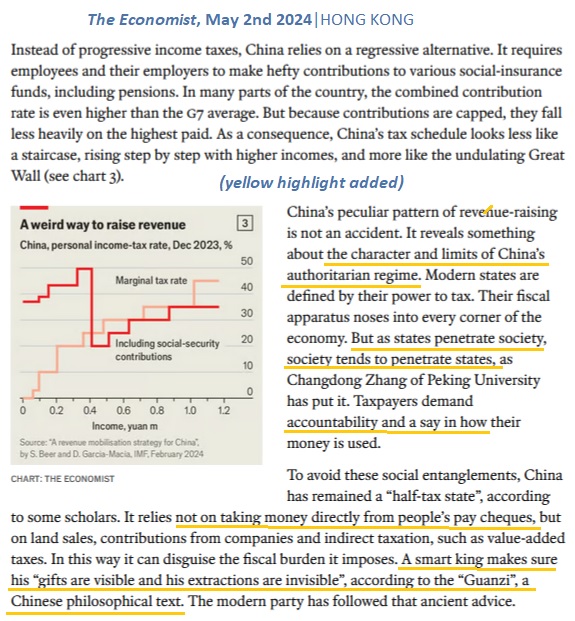
- Ach, dat noemen ze tegenwoordig ‘geopolitique’ geloof ik – szjeeeopolitiekke, met sjeee van Niezsjèèèrè (Niger, weet je nog, díe tante dus). Waarom denk je dat we – net als de Duitsers trouwens – worden uitgeperst via allerlei soorten belasting? Waar hep al dat geld voor nodig? Nou, om dat te raden heb jij geen drie keer nodig. Ook geen diploma hogere raketkunde. Dat kun je eventueel zo bij de oude Immanuel Kant nalezen: oorlogen voeren, meneer! Kant in het Nederlands: ISBN 90 242 7544 x. Dát doen en willen ze. De permanente ‘uitzonderingstoestand’ scheppen en bestendigen, want dan kunnen ze regeren per decreet en valt hun gepruts en gefröbel niet op. Desnoods knutselen ze daartoe pandemie-virussen in elkaar.

Zeg, waar is die guillotine voor? Ach, sorry, ik vraag naar de bekende weg. Die is om het stokbrood te snijden, natuurlijk. Op ieder dorpsplein in Frankrijk staat zo’n ding, soms wel twee of drie, en je ziet er bijna altijd lange rijen Fransen met een stokbrood onder de arm en in de oksel, op hun beurt staan wachten: couper du pain.
- Dat ook, dat ook, natuurlijk, maar het heeft ook een connotatie met seks en neukelen – het is tenslotte een roman van Houellebecq. Daarvoor moet je naar Vladimir Nabokov en diens novelle over Gogol. Gogol beschrijft een scene waarin een man en vrouw het-met-elkaar doen. De penis verdwijnt in de vulva, de eikel, glans, eerst en Gogol beschrijft dat heel subtiel als een ‘onthoofding.’ De meeste lezers lezen hier overheen. Nabokov gebruikt die passage ter illustratie van ‘vervreemding’ (ostranenie), een techniek die de Formalisten (zie o.a. Victor Sjklovski) gebruikten om het alledaagse in een ander en verrassend licht te stellen. Nabokov gebruikt het lichaam om te laten zien dat Gogols stijl: extatisch is (een piekervaring > ‘orgasme’), destructief (iets wordt afgebroken, vernietigd, anéantit), transformatief (iets nieuws ontstaat). Het is een paradoxale beweging: vernietiging als schepping.
Dat onthoofden, zie je zo voor je: de veroordeelde wordt op de plank als het ware als een stokbrood de oven ingeschoven, met het hoofd – de eikel – eerst, en dan: plop! perdu la tête. ‘La grande mort’ en niet la petite mort, zoals de Fransen het orgastisch hoogtepunt bij de vrouw bij een coïtus ook wel plegen te beschrijven. Dan heeft de weduwe (la veuve = de guillotine) weer een hapje binnen. De roman begint met een video waarop een onthoofding wordt getoond.
- De Nederlandse versie zou de onthoofding van Theo van Gogh door Mohammed B(oujeri) kunnen opvoeren.
Mohamed B, Ali B, Moshtag B …. is er ook een autochtone B? Meneer Bouyeri is intussen nog beroemd geworden ook.
- Wat dacht je van Marco B?
Tuurlijk: Marco B, een blanke autochtoon. We leven dus toch nog in een democratische rechtsstaat.
Y vertelde dat ze nog niet zo lang geleden op een terrasje zat en een groepje aan een belendend tafeltje zich hardop afvroeg waarom die enge Volkert v.d. G. zo ongegeneerd los ronddart; ze hadden hem zien meedoen aan een hardloopwedstrijd geloof ik. Iemand vroeg wat ze daarvan dachten en de groep riep in koor dat de rechters die Volkert vonnisten vast lid van D66 waren of anders op die partij stemden.
Toch opmerkelijk hoe snel stereotype vooroordelen wortel schieten en blijkbaar beklijven.
Zeg, is die pagina 696 (soixante neuf six) opzet, of puur toeval? Het ritme van Gogol-Nabokov (in-uit-in-uit …) zit er wel in, en dat twee uur lang, het lijkt zelfs een beetje op priapisme, maar het kán ook aan de medicatie liggen. Viagra misschien? Jij bent een close reader.
- Nu je het zegt. Bij Houellebecq is bijna niets toeval en dat Paul precies op pagina 696 Prudence bijna permanent penetreert, vanuit zijwaartse ligging, kan zijn uitgekiend, maar dat weet ik niet. De zijwaartse ligging is de enige stand waarin het hem nog lukt. Hij is als het ware gekapseisd. Net als het politieke systeem is gekapseisd.
Wat gaat 2027 brengen? Houellebecq heeft al aangetoond over bijna profetische gaven te beschikken. Als je de Epstein-affaire en die absurde oorlogen in ogenschouw neemt, en daar tussendoor aan het dolzinnige duo Trump-Netanyahu denkt, dan zou Anéantir (verdelgen, vernietigen, tilgen, ausradieren, annihilate …) weleens letterlijk serieus genomen kunnen dienen te worden.
Alles lijkt meer en meer samen te hangen om tot een totale chaos te worden geklutst.
……………. ……………… …………………

………………. ………………. ……………………..
………………. ………………. ……………………..

Margot Dijkgraaf (06.01.2022) – www.nrc.nl/nieuws/2022/01/06/in-de-nieuwe-houellebecq-schuilt-het-ongeluk-in-het-gezin-a4075903?t=1778484595
Natuurlijk is de Nederlandse vertaler een haan, die Martin heet et qui vit comme un coq en pâte








:format(webp)/s3/static.nrc.nl/bvhw/files/2024/03/data112947628-6fd0ad.jpg)