* PARKEER *
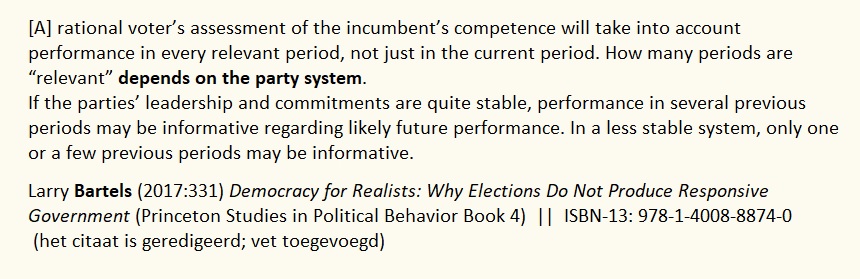
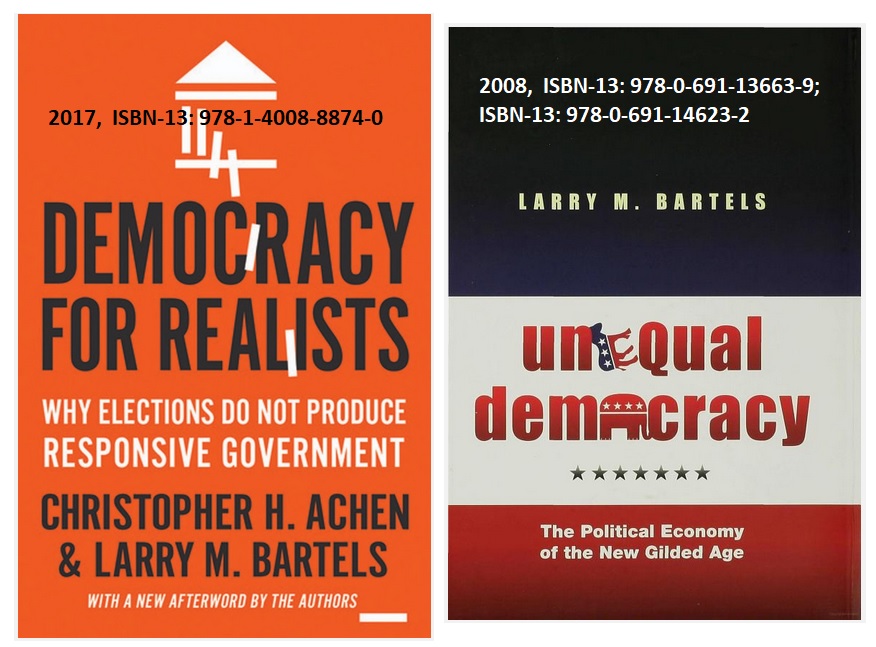
% % Citaat uit Larry Bartels (pagina 162,163) ISBN-13: 978-0-691-13663-9 (het citaat is geredigeerd; vet toegevoegd) % %
[T]he most significant domestic policy initiative of the past decade has been a massive government-engineered transfer of additional wealth from the lower and middle classes to the rich in the form of substantial reductions in federal income taxes.
What is most remarkable is that this massive upward transfer of wealth attracted a good deal of support and surprisingly little opposition from ordinary Americans, despite their egalitarian-sounding views.
My primary aim in this chapter is to explore and explain these public reactions. My analysis suggests, first, that public opinion about the Bush tax cuts was remarkably tenuous. Notwithstanding the multitrillion-dollar stakes, surveys conducted in 2002 and 2004 found 40% of the public saying they had not thought about whether they favored or opposed the 2001 tax cut. Among those who had, supporters outnumbered opponents by a substantial margin.
My analysis suggests that most of these people supported tax cuts not because they were indifferent to economic inequality, but because they failed to bring relevant values to bear in formulating their policy preferences. Most of the people who recognized and regretted the fact that economic inequality has been increasing nevertheless supported President Bush’s tax cuts. People who wanted to spend more money on a variety of government programs were more likely to support tax cuts than those who did not, other things being equal. And people’s opinions about tax cuts were strongly shaped by their attitudes about their own tax burdens, but virtually unaffected by their attitudes about the tax burden of the rich — even in the case of the estate tax, which only affects the wealthiest 1 or 2% of taxpayers. % % einde citaat % %